Understanding Insurance: A Guide to Protecting Your Assets and Future
Understanding insurance is vital for everyone seeking to safeguard their monetary future. It acts as a protective barrier against unexpected events which might result in major financial setbacks. A wide range of coverage options exists, tailored to meet specific requirements. However, many individuals struggle figuring out the necessary extent of coverage and navigating the specifics of their policy. The intricate nature of insurance often lead to confusion, prompting the need for a clearer understanding of the most effective way to secure assets. What should one consider before committing to a policy?
Insurance 101: Key Principles
Coverage acts as a fiscal protective layer, protecting individuals and businesses from unforeseen risks. It is essentially an agreement between the insured and the insurer, in which the policyholder remits a fee to receive monetary protection covering defined damages or setbacks. The primary function of coverage is managing exposure, letting policyholders pass on the weight of prospective fiscal harm to the company.
Coverage agreements detail the rules and stipulations, detailing what is covered, what is excluded, along with the process for submitting claims. Resource pooling is fundamental to coverage; a large number of participants pay in, making it possible to finance payouts from those who experience losses. Knowing the fundamental terms and rules is essential for making informed decisions. Overall, insurance is designed to provide peace of mind, guaranteeing that, during emergencies, policyholders can regain stability and move forward successfully.
Types of Insurance: An Extensive Look
Many different kinds of insurance exist to cater to the diverse needs consult now of individuals and businesses. Among the most common are health insurance, designed to handle doctor bills; motor insurance, shielding against automobile harm; and homeowners insurance, safeguarding property against risks like fire and theft. Term insurance grants fiscal safety to recipients upon the death of the policyholder, while disability insurance provides income replacement if one becomes unable to work.
For businesses, liability insurance protects from accusations of wrongdoing, and property insurance covers physical assets. Professional liability coverage, often called errors and omissions insurance, shields professionals against claims resulting from mistakes in their services. In addition, travel coverage insures against surprises that occur during journeys. Each type of insurance is vital in managing risks, ensuring individuals and businesses can lessen potential economic harm and maintain stability in uncertain circumstances.
Determining What Insurance You Need: What Level of Protection is Sufficient?
Determining the appropriate level of necessary protection demands a careful evaluation of property value and possible dangers. People need to evaluate their financial situation and the possessions they aim to cover to calculate the proper insurance total. Sound risk evaluation methods play a vital role in ensuring that one is neither underinsured nor paying extra for needless protection.
Determining Property Value
Evaluating asset value is a necessary phase for knowing the required level of protection for sound insurance safeguarding. The procedure includes calculating the value of private possessions, property holdings, and monetary holdings. Homeowners should consider factors such as the present economic climate, reconstruction expenses, and asset decline when valuing their home. Also, people need to assess physical items, automobiles, and any liability risks associated with their assets. By completing a detailed inventory and assessment, they are able to pinpoint areas where coverage is missing. Moreover, this appraisal allows individuals adjust their coverage to suit unique requirements, providing proper safeguarding against unexpected occurrences. In the end, correctly appraising asset value forms the basis for sound insurance decisions and financial security.
Risk Assessment Strategies
Establishing a thorough understanding of asset worth logically progresses to the following stage: evaluating insurance needs. Methods for assessing risk include pinpointing possible hazards and determining the appropriate level of coverage necessary to reduce those dangers. The procedure starts with a full accounting of property, including homes and land, vehicles, and private possessions, in addition to an evaluation of future obligations. The individual must consider things such as location, lifestyle, and dangers unique to their field that could influence their insurance needs. Additionally, reviewing existing policies and pinpointing missing protection is crucial. By quantifying risks and connecting them to the worth of assets, one can make informed decisions about the level and kind of coverage needed to protect their future successfully.
Understanding Policy Terms: Key Concepts Explained
Knowing the policy provisions is vital for traversing the complexities of insurance. Important principles such as coverage types, insurance costs, out-of-pocket limits, exclusions, and restrictions play significant roles in judging how well a policy works. A firm knowledge of these terms helps individuals make informed decisions when selecting insurance options.
Explaining Coverage Categories
Coverage options offer a selection of different coverages, every one meant to cover certain requirements and dangers. Common types include coverage for liability, which guards against lawsuits; coverage for property, safeguarding physical assets; and coverage for personal injury, which addresses injuries sustained by others on the policyholder's premises. Moreover, comprehensive coverage gives defense against a variety of threats, such as natural disasters and theft. Specialized coverages, like professional liability coverage for companies and medical coverage for people, customize the coverage further. Knowing these coverages enables insured parties to pick suitable coverage based on their unique circumstances, guaranteeing sufficient security against possible monetary damages. Each coverage type plays a critical role in a broad insurance approach, finally resulting in fiscal stability and tranquility.
Insurance Costs and Out-of-Pocket Limits

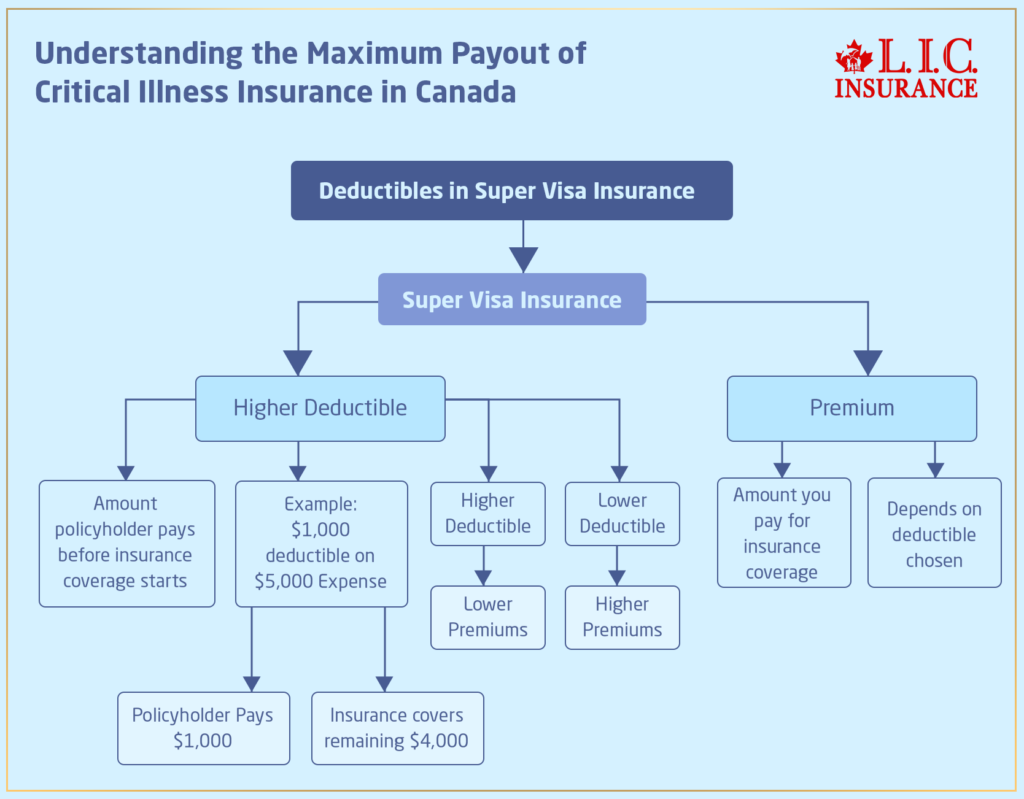
Choosing the appropriate coverage categories is merely a piece of the coverage calculation; the monetary elements of deductibles and premiums also greatly influence policy decisions. Premiums represent the cost of maintaining an insurance policy, typically paid monthly or annually. A higher premium often correlates with more extensive coverage or smaller deductible amounts. Conversely, deductibles are the amounts policyholders must pay out-of-pocket before their policy protection activates. Choosing a higher deductible may reduce the price of the premium, but it might cause increased monetary obligation during claims. Recognizing the trade-off between these two components is essential for individuals seeking to safeguard their possessions while managing their budgets effectively. Ultimately, the relationship of premiums and deductibles defines the overall value of an insurance policy.
Policy Restrictions
Which components that can limit the effectiveness of an insurance policy? The fine print within a policy define the circumstances under which coverage is unavailable. Standard exclusions include prior medical issues, war-related incidents, and specific natural catastrophes. Restrictions can also pertain to specific coverage amounts, necessitating that policyholders grasp these restrictions in detail. These elements can significantly impact claims, as they dictate what financial setbacks will not be compensated. Policyholders must read their insurance contracts carefully to spot these limitations and exclusions, so they are well aware about the extent of their coverage. Thorough knowledge of these terms is essential for protecting one's wealth and future financial planning.
The Claims Process: Understanding the Steps When Filing
Making a claim can often seem daunting, particularly for individuals new with the process. The first stage typically involves notifying the insurance company of the incident. This can generally be completed through a phone call or online portal. After the claim is filed, an adjuster may be appointed to evaluate the situation. This adjuster will review the details, collect required paperwork, and may even visit the site of the incident.
Following the evaluation, the insurer will decide on the legitimacy of the claim and the amount payable, based on the terms of the policy. Those filing should be prepared to offer supporting evidence, such as receipts or photos, to facilitate this evaluation. Communication is essential throughout this process; you may have to contact with the insurer for updates. A clear grasp of the claims process helps policyholders navigate their rights and responsibilities, ensuring they receive the compensation they deserve in a reasonable timeframe.
How to Pick the Right Insurance Provider
How can someone identify the ideal insurance provider for their needs? To begin, one must examine their specific requirements, looking at aspects such as coverage types and financial limitations. Meticulous investigation is necessary; online reviews, ratings, and client feedback can provide insights into customer satisfaction and how good the service is. In addition, getting estimates from several insurers enables comparisons of premiums and coverage specifics.
It is also advisable to evaluate the fiscal soundness and credibility of potential insurers, as this can influence how well they can to settle claims. Speaking directly to representatives can make the terms and conditions of the policy clearer, guaranteeing openness. Moreover, checking for any discounts or package deals can enhance the overall value. Lastly, seeking recommendations from trusted friends or family may help uncover trustworthy providers. By adhering to this process, consumers can select knowledgeably that are consistent with their insurance needs and monetary objectives.
Keeping Updated: Ensuring Your Policy Stays Relevant
After choosing a suitable insurer, individuals must remain proactive about their coverage to guarantee it meets their shifting necessities. Periodically examining the coverage details is necessary, as major life events—such as tying the knot, acquiring property, or career shifts—can affect what coverage is needed. Individuals should schedule annual check-ins with their insurance agents to talk about necessary changes based on these life events.
Additionally, remaining aware of industry trends and shifts in policy rules can give helpful perspectives. This awareness could point to new insurance possibilities or discounts that could improve their coverage.
Keeping an eye on the market for better prices may also result in cheaper options without sacrificing protection.
Questions People Often Ask
In What Ways Do Insurance Costs Change With Age and Location?
Insurance premiums usually rise as one gets older due to greater potential hazards associated with aging people. In addition, where you live affects pricing, as urban areas often experience higher premiums due to increased exposure to accidents and theft compared to country areas.
Am I allowed to alter my insurance company Mid-Policy?
Yes, individuals can change their coverage provider mid-term, but they need to examine the details of their current policy and guarantee they have new coverage in place to prevent periods without insurance or possible fines.
What Happens if I Miss a required payment?
When a policyholder skips a required insurance payment, their policy might expire, resulting in a possible lack of coverage. The coverage might be reinstated, but may necessitate paying outstanding premiums and may involve penalties or higher rates.
Are Pre-Existing Conditions Covered in medical policies?
Pre-existing conditions may be covered in medical coverage, but coverage varies by plan. Many insurers impose waiting periods or exclusions, whereas some offer instant protection, stressing that policy details must be examined completely.
How Do Deductibles Affect My Insurance Costs?
Deductibles affect the price of insurance by setting the sum a holder of the policy is required to spend before coverage kicks in. Higher deductibles typically result in lower monthly premiums, whereas smaller deductibles result in increased premiums and potentially less out-of-pocket expense.